
Step-by-Step Guide to Building a House from Scratch in Nigeria
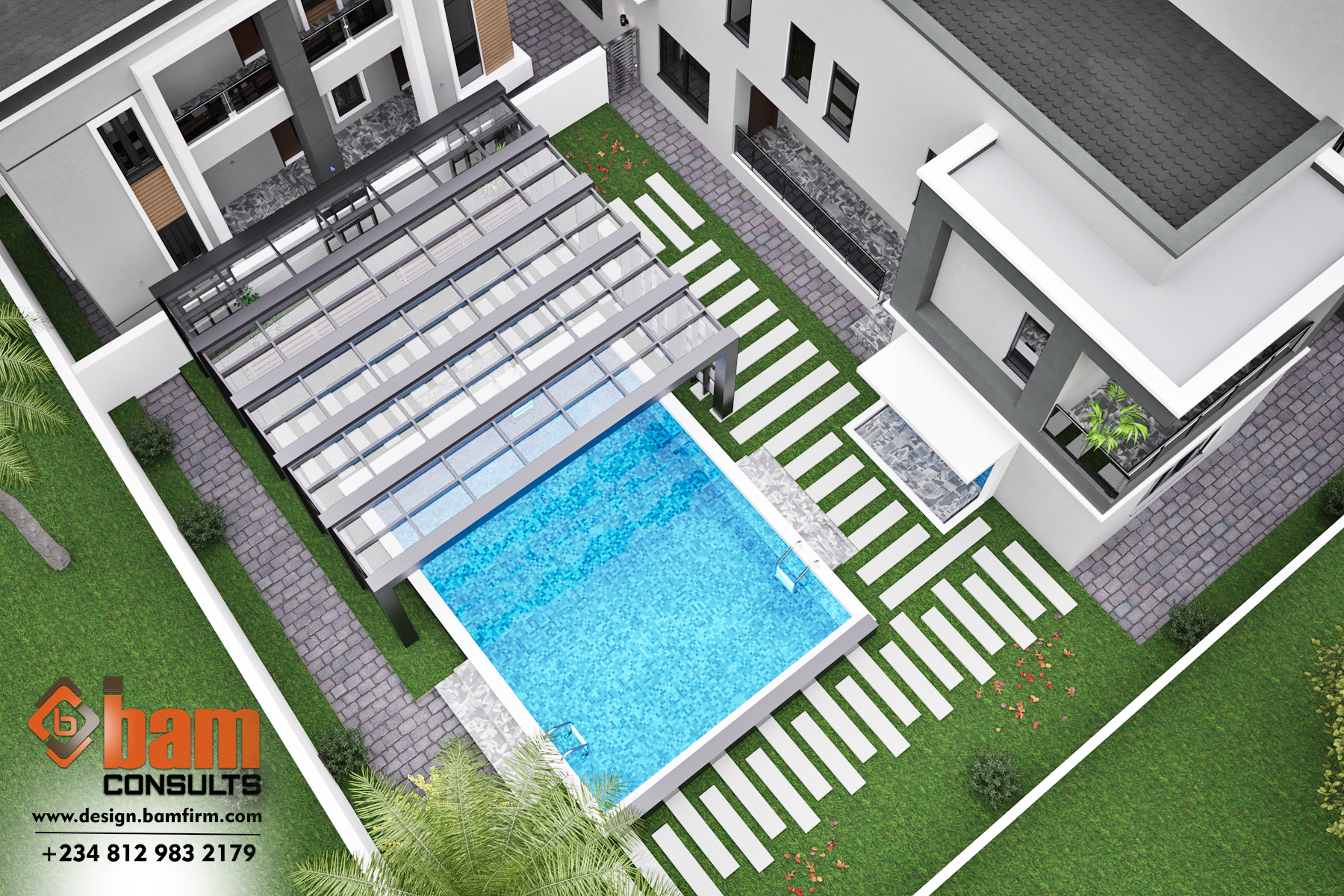
Introduction
Building your own house in Nigeria is a dream for many, and let’s be honest, it’s also one of life’s biggest adventures. One minute you’re pricing cement, the next minute you’re debating tile colors like your life depends on it. But don’t worry, this guide walks you through each stage so you don’t accidentally build a mansion foundation for a bungalow budget.
Step-by-Step Process to Building a House
1. Define Your Budget First (Before Anything Else)
Your budget determines everything, location, size, materials, and finishing level. Always add 15–25% contingency because Nigerian construction prices can change faster than fuel prices.
2. Buy Land & Verify Documents
Never skip land verification. Confirm:
-
Survey plan
-
Deed of assignment
-
C of O (if available)
If you’re buying land in cities like Port Harcourt, Lagos or Abuja, verification is especially important due to land disputes.
3. Get an Architect & Design Plan
An architect translates your dream into a buildable plan. This stage includes:
- Floor plans
- Structural drawings
- 3D visualizations
- Building Services Drawings
Pro Tip: Don’t copy random online plans. Nigerian soil types and climate differ from foreign designs.
4. Obtain Building Approval
Before construction begins, you must submit drawings to your state development authority for approval. Building without approval can lead to demolition — and that’s not the kind of surprise anybody wants.
5. Site Preparation & Foundation
This includes:
-
Land clearing
-
Setting out
-
Excavation
-
Foundation casting
Foundation type depends on soil condition. Sandy soil ≠ swampy soil. A soil test saves money long-term.
6. Structural Work (The Skeleton Stage)
Here the house begins to rise:
-
Block laying
-
Columns & beams
-
Lintel casting
-
Roofing framework
This is the stage where neighbors start greeting you differently because they now see your progress 😄
7. Roofing
Roofing protects your structure from weather damage. Choose materials based on:
-
Climate
-
Budget
-
Durability
8. Electrical & Plumbing Installations
This is done before plastering. Proper planning prevents future wall-breaking repairs.
9. Finishing Stage
This is where the house becomes a home:
-
Tiling
-
Painting
-
Ceiling
-
Doors & windows
-
Fixtures
Finishing consumes a large portion of the budget, so plan wisely.
10. Final Inspection & Move-In
Inspect everything:
-
Water flow
-
Wiring
-
Drainage
-
Door alignment
Only after confirming all systems work should you move in.
Common Mistakes Nigerians Make When Building
-
Starting construction without full funds
-
Skipping professional supervision
-
Using cheap materials for structural parts
-
Ignoring soil testing
Pro Tips from Industry Experts
-
Always hire professionals instead of roadside artisans for technical stages.
-
Buy materials in bulk to save cost.
-
Keep written agreements with contractors.
-
Visit your site regularly (even if it’s just to greet workers and inspect blocks 👀).
Why Choose Bam Consults for Your Building Project?
Building a house in Nigeria is one thing; building it right, on budget, and stress-free is another. That’s where Bam Consults comes in.
With decades of combined experience in architecture, interior design, and project management, we guide you through every stage of construction — from land verification and approvals to finishing touches.
Our clients enjoy:
-
Professional expertise at every stage
-
Transparent budgeting with no hidden costs
-
Time-saving project management
-
Creative, modern designs tailored to your lifestyle
-
Peace of mind knowing your dream home is in capable hands
So, if you want a house that isn’t just built, but crafted for comfort, style, and longevity, Bam Consults is your go-to partner. Let’s turn your dream home into reality — without the headaches.
Internal Links
External Reference Sources
FAQ — Building a House from Scratch in Nigeria
Q1: How long does it take to build a house in Nigeria?
Typically 6–12 months depending on size, funding consistency, and weather.
Q2: What is the most expensive stage of building?
Finishing stage — tiles, fittings, and fixtures usually consume the most money.
Q3: Can I build a house gradually?
Yes. Many Nigerians build in phases based on available funds.
Q4: Do I need an architect?
Yes. An architect ensures structural safety, compliance, and efficient space planning.
Q5: What is the first step before building?
Budget planning and land verification.




Inspired but no funds to start my own .
just keep pushing, one day it will come